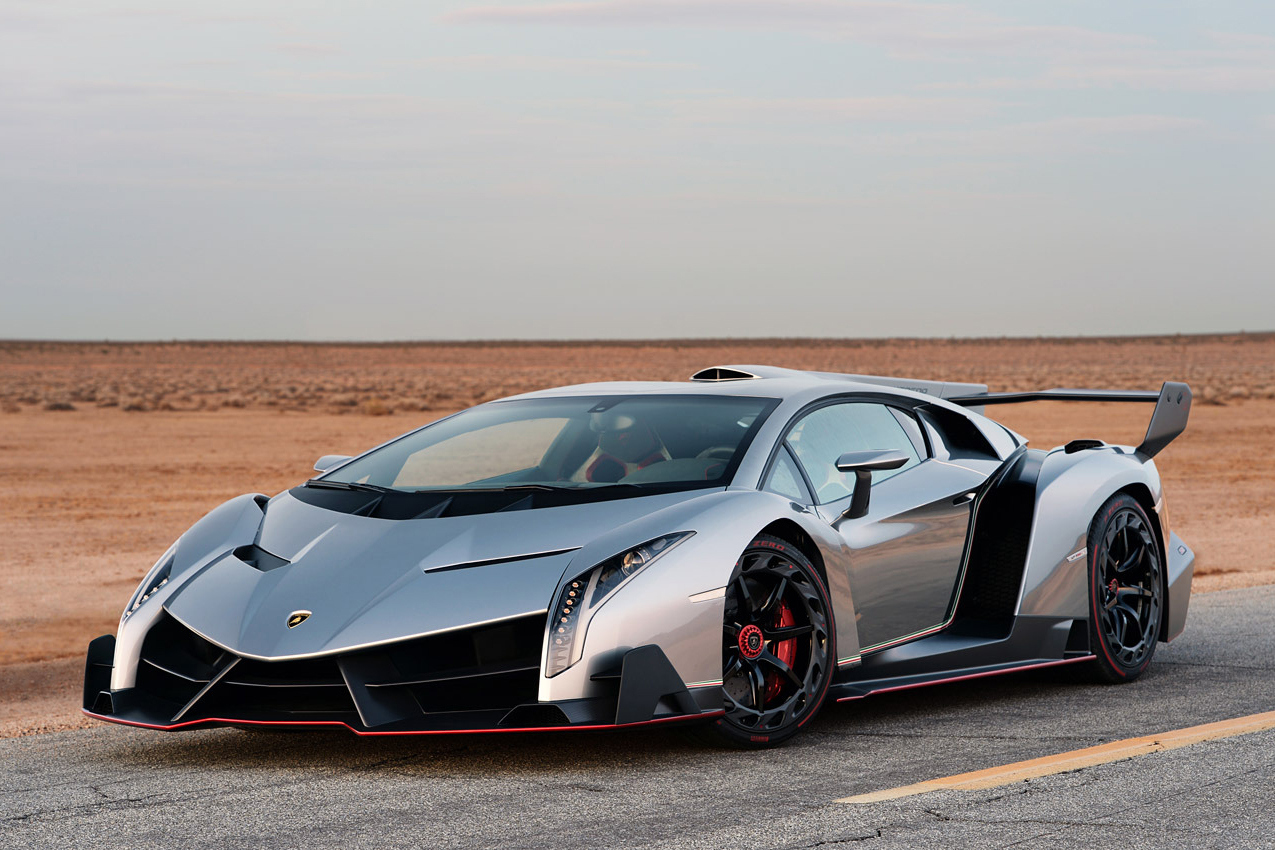
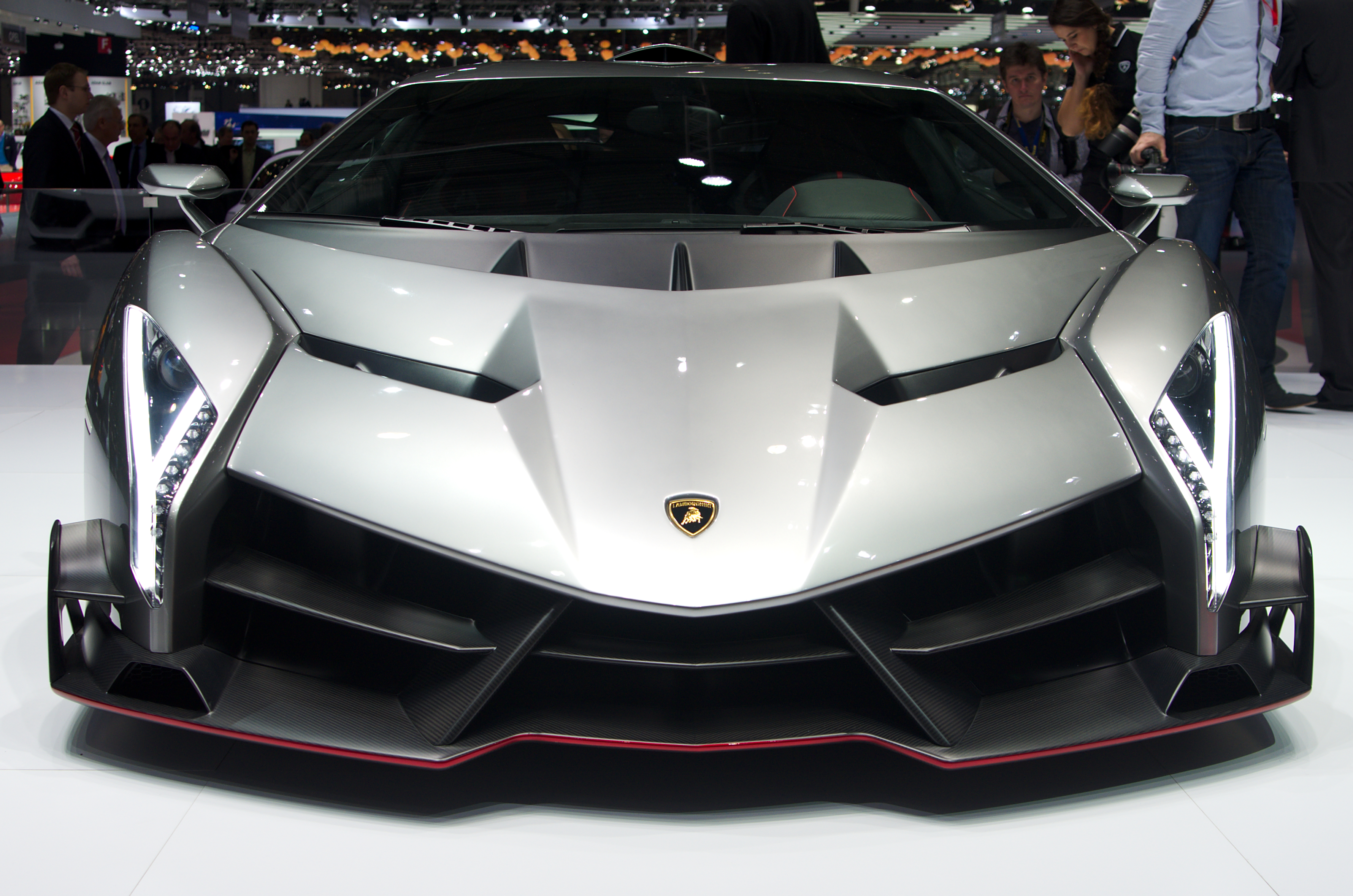
Lamborghini Veneno

Click Here For Lamborghini Veneno

BMW i8

Click Here For BMW i8

Range Rover Evoque

Click Here For Range Rover Evoque

Mercedes GL63 AMG

Click Here For Mercedes GL63 AMG

Ferrari F12berlinetta

Click Here For Ferrari F12berlinetta

Tuesday, 29 April 2014

Honda Civic


The Honda Civic is a line of subcompact and subsequently compact cars manufactured by Honda. The Civic, along with the Accord and Prelude, comprised Honda's vehicles sold in North America until the 1990s, when the model lineup was expanded. Having gone through several generational changes, the Civic has become larger and more upmarket, and it currently slots between the Fit and Accord.
It was introduced in July 1972 as a two-door model, followed by a three-door hatchback that September. With the transverse engine mounting of its 1169 cc engine and front-wheel drive like the British Mini, the car provided good interior space despite overall small dimensions. [not in citation given] Early models of the Civic typically included a basic AM radio, heater, foam-cushioned plastic trim, two-speed wipers, and painted steel rims with a chromed wheel nut cap. As the years went by, it has become much more upscale with options such as air conditioning, power locks, power windows, leather upholstery, satellite-linked navigation, and a six-speed manual transmission. Initially gaining a reputation for being fuel-efficient, reliable, and environmentally friendly, later iterations have become known for performance and sportiness, especially the Civic Type-R, Civic VTi, Civic GTi and Civic SiR.
The Civic has been rebadged for international markets with such models as the Honda Ballade which became the British Leyland-produced Triumph Acclaim in Britain and Honda Domani/Acura EL. The Civic platform also served as the basis for the Honda CR-X, the Honda CR-X del Sol, the Honda Concerto, the first generation Honda Prelude, the Honda Civic Shuttle (later to become the Honda Orthia), and the Honda CR-V. Starting in 1985 until 2006, the Civic was dedicated to Japanese dealership Honda Primo, with Civic variants sold at Honda Clio, and Honda Verno locations.
As of 2006, a total of 16.5 million Civics had been sold worldwide, with 7.3 million of them in the United States. By 2012, Civic has been the top-selling car in Canada for 14 years. With high gas prices and a weak economy in June 2008, the Civic supplanted the Ford F-Series to become the top-selling vehicle in the United States for that month.
 In Japan, production of non-hybrid Civic for domestic market ended in August 2010 and production of Civic hybrid for home market ended in December 2010. In recent years, customers shifted to minivans and compact cars like Honda Fit. Honda launched Fit hybrid in October in Japan. However, production of Civic and Civic hybrid for export markets will continue.

Yamaha R15


Summery of Yamaha R15 V2.0
Name     Yamaha R15
Model     V2.0
Type     Sports bike
Mileage     35-40km/liter(city), 45-50km/liter(highway)
Engine specs. of Yamaha R15 V2.0
Engine     4-stroke, 150cc
Maximum Power     16.8 Bhp at 8500 rpm
Maximum Torque     15 Nm at 7500 rpm
Gear box     6-speed gearbox, one down and five up
Bore, stroke     57, 58.7
No. Of cylinder     1
Cooling type     Liquid type cooling
Carburetor     N/A
 Dimensions of Yamaha R15 V2.0
Length     1970.00  mm
Width     670.00 mm
Height     1070.00 mm
Weight     136.00 kg
 Other specification of Yamaha R15 V2.0
Ground clearance     160.0 mm
Fuel tank     12.00 liter
Wheelbase     1345.00 mm
Headlamp     12V35W / 35W + 35W
Battery voltage     12V
Horn     Dual
Wheel type     Alloy, tubeless
Wheel size     90/80 R17, 130/70 R17 mm
 Active and Passive of Yamaha R15 V2.0
Suspension(front)     Telescopic
Suspension(rear)     Linked type monocross
Breaks     Disk
Stand alarm     X
 Comfort and convenience
Fuel gauge     Digital
Self start     Yes
Tacho meter     Analog
Trip meter     Digital-2
Speedometer     Digital
Alloy     Yes
Warranty     NA
Pass-light     Yes
Step-up seat     Yes
 Some other new features in Yamaha R15 V2.0

    New design for alloy wheels, silencer, engine and for mudguard guard
    All new LED tail lamps
    Split seat, new graphics and decals
    New ECU for better pick-up and fuel efficiency
    Available inn four shades: Red, blue, black and green

- See more at: http://shypal.com/yamaha-r15-v2-0-full-details-specification-features-price/#sthash.q7Z4DKv2.dpuf

Summery of Yamaha R15 V2.0

Name Yamaha R15
Model V2.0
Type Sports bike
Mileage 35-40km/liter(city), 45-50km/liter(highway)

Engine specs. of Yamaha R15 V2.0

Engine 4-stroke, 150cc
Maximum Power 16.8 Bhp at 8500 rpm
Maximum Torque 15 Nm at 7500 rpm
Gear box 6-speed gearbox, one down and five up
Bore, stroke 57, 58.7
No. Of cylinder 1
Cooling type Liquid type cooling
Carburetor N/A

 Dimensions of Yamaha R15 V2.0

Length 1970.00  mm
Width 670.00 mm
Height 1070.00 mm
Weight 136.00 kg

 Other specification of Yamaha R15 V2.0

Ground clearance 160.0 mm
Fuel tank 12.00 liter
Wheelbase 1345.00 mm
Headlamp 12V35W / 35W + 35W
Battery voltage 12V
Horn Dual
Wheel type Alloy, tubeless
Wheel size 90/80 R17, 130/70 R17 mm

 Active and Passive of Yamaha R15 V2.0

Suspension(front) Telescopic
Suspension(rear) Linked type monocross
Breaks Disk
Stand alarm X

 Comfort and convenience

Fuel gauge Digital
Self start Yes
Tacho meter Analog
Trip meter Digital-2
Speedometer Digital
Alloy Yes
Warranty NA
Pass-light Yes
Step-up seat Yes

 Some other new features in Yamaha R15 V2.0

  • New design for alloy wheels, silencer, engine and for mudguard guard
  • All new LED tail lamps
  • Split seat, new graphics and decals
  • New ECU for better pick-up and fuel efficiency
  • Available inn four shades: Red, blue, black and green
- See more at: http://shypal.com/yamaha-r15-v2-0-full-details-specification-features-price/#sthash.q7Z4DKv2.dpuf

Porsche Cayman S


Technical Specs Cayman S

Engine

Manual PDK
Engine layout Mid-engine Mid-engine
Number of cylinders 6 6
Displacement 3.4 l 3.4 l
Horsepower 325 hp 325 hp
@ rpm 7400 rpm 7400 rpm
Torque 273 lb.-ft. 273 lb.-ft.
Compression ratio 12.5 : 1 12.5 : 1

Transmission

Manual PDK
Manual Gearbox 6-speed with dual-mass flywheel and self-adjusting clutch -
Tiptronic S n/a n/a
PDK - 7-speed Porsche Doppelkupplung (PDK)

Performance

Manual PDK
Top Track Speed 175 mph 174 mph
0 - 60 mph 4.7 sec 4.6 sec (4.4 sec in Sport Plus mode)

Price

Manual PDK

MSRP $ 63,800.00 MSRP $ 67,000.00

Karizma R


Karizma R


Technical Specifications


Engine


  • Type
    Air cooled, 4-stroke single cylinder OHC
  • Displacement
    223 cc
  • Max. Power
    12.68 kW (17 BHP ) at 7000 rpm
  • Max. Torque
    18.35 N-m @ 6000 rpm
  • Max. Speed
    125 kmph
  • Acceleration
    0 to 60 kmph In 3.8 Seconds
  • Bore x Stroke
    65.5 x 66.2 mm
  • Carburettor
    C.V Carburetor with CCVI (Carb Controlled Variable Ignition)
  • Compression Ratio
    9.0:1
  • Starting
    Kick start + Electric start
  • Ignition
    AMI -Advanced Microprocessor Ignition

Transmission & Frame

  • Clutch
    Multiplate wet
  • Gear box
    5 Speed constant mesh
  • Frame Type
    Diamond Frame

Suspension

  • Front
    Telescopic hydraulic shock absorbers
  • Rear
    Swing arm with 5 step adjustable type hydraulic shock absorber

Brakes

  • Front Brake
    Disc, Dia 276 mm Disc
  • Rear Brake Disc
    Internal expanding shoe type (130 mm)

Wheels & Tyres

  • Tyre Size Front
    2.75 x 18 -42P
  • Tyre Size Rear
    100/90 x 18 - 56P

Electricals

  • Battery
    12 V - 6 Ah, MF 7 (MF battery)
  • Head Lamp
    35W / 35W - Halogen bulb (Multi-reflector -D.C type)
  • Tail/Stop Lamp
    5 / 21W x 2 Nos (Multi reflector)
  • Turn Signal Lamp
    21W x 4 Nos (Amber bulb) (Clear lens multi-reflector)

Dimensions


  • Length
    2125 mm
  • Width
    755 mm
  • Height
    1160 mm
  • Saddle Height
    795 mm
  • Wheelbase
    1355 mm
  • Ground Clearance
    150 mm
  • Fuel Tank Capacity
    15 ltrs. (Min)
  • Reserve
    2.0 ltrs. (Usable)
  • Kerb Weight
    150 kgs

Thursday, 17 April 2014

BMW X1


The BMW X1 is a luxury compact crossover automobile produced by the German manufacturer BMW since 2009 and marketed worldwide in rear-wheel-drive (sDrive) and all-wheel-drive (xDrive) configurations. Production followed the debut of a concept version at the 2008 Paris Motor Show. with series manufacture beginning at the BMW Leipzig plant in October 2009 — followed by production in Chennai, India (from knock-down kits (CDK)), Shenyang, China, (by BMW-Brilliance Automotive Ltd) and Kaliningrad, Russia (CDK,with local partner Avtotor).
The X1 shares a similar platform with the BMW X3, based on the platform of the BMW 3 Series (E91) Touring (wagon). The EPA classifies the vehicle under the Midsize Cars category.
The X1 has been critically acclaimed for its attractive design and driving dynamics, though noted that it is not a true off-road vehicle. It has proved to be a commercial success for BMW with, as at September 2013, approximately 500,000 models sold worldwide since its launch in late 2009.
The X1 introduced BMW's N20 engine in its xDrive28i model. The X1 is slightly smaller and more affordable than the X3.
In North America, the X1 is BMW's smallest SUV offering, and has a low starting MSRP of $30,800. The X1 is also BMW's first SUV to offer rear-wheel drive (RWD) as an option (only on the sDrive28i model). The sDrive28i and xDrive28i models will offer a 2.0L, 241 horsepower turbocharged inline four-cylinder (I4) engine, and the xDrive35i model will offer a 3.0L, 300 horsepower single turbocharged inline six-cylinder (I6) engine. Four different lines will be available: the ES/SE Line, the Sport Line, the Luxury Line, and the xLine. The lines offer unique trim differences to differentiate each one from another. An eight-speed sport automatic transmission will be available on North American models. The interior will be similar to that of the current BMW 1 Series Coupe, also offered in North America. Development began in 2004, with design work commencing in 2005. Final design work was done by Richard Kim during 2006 and frozen for production in mid-2007.

E84 (2009-)
X1 sDrive20d EfficientDynamics Edition (2011-)
The vehicle was unveiled in International Frankfurt Motor Show (IAA 2011).
X1 sDrive 16d (2012-)
It is a version with reduced engine power.
The vehicle was unveiled in 21st Auto Mobil International Leipzig 2012.
Equipment
The X1 offers a 420 litre cargo volume, which can increase up to 1350 litres of storage space with the seats folded. For comparison, the 3-Series Touring (E91) has 460 and the X3 (E83) has 480 litres. The backrest in the rear is adjustable in 11 steps and can be divided in the ratio 40:20:40. The vehicle offers adaptive cruise control, seating positions with modestly raised H-point seating (marketed as Semi Command Sitting position) and Performance Control.
Engines
All sDrive models are rear-wheel drive, while xDrive models are all-wheel drive.
The Indian market is currently getting the sdrive18i (4 cyl  petrol), sdrive20d and sdrive20d (highline) (4 cyl diesels). The three variants have an 8-speed automatic transmission. No manual transmission option is available now. Also SDrive 1.6i TwinScroll Turbo is available for some countries sensible against tax in Europa
Petrol engines
The USA market gets the BMW N20B20 2.0-liter turbo inline -4 in RWD sDrive and AWD xDrive configurations, as well as the BMW N55B30 TwinPower turbo inline-6 from the X3 xDrive35i.

Sunday, 13 April 2014

Lamborghini Veneno


Lamborghini is evolving its styling language, and it’s more evident than ever in the Veneno shown at the Geneva auto show. Based on the Aventador LP700-4, it will be built in exactly three units, plus the company's demonstrator car. What is the reason for showing another supercar, given that Lamborghini has not yet delivered its ultra-low-volume Sesto Elemento to customers? It's the company's 50th birthday, which it celebrates in May. And the Veneno—named after "one of the strongest and most aggressive fighting bulls ever," as Lamborghini informs us—presents the perfect way to celebrate.The fissured skin of the Veneno hides the Aventador's carbon-fiber monocoque, plus aluminum front and rear subframes. A pushrod suspension with horizontal spring-damper units betrays its racing aspirations. The interior is largely carried over from the Aventador and is clad in carbon fiber. The Veneno is fitted with Pirelli P Zero tires on 20-inch wheels up front and 22-inch wheels in the rear. Center-locking hubs allow for quicker changes—and they look great.Power comes from the incredible L539 6.5-liter V-12 engine, upgraded here to produce 740 horsepower. The extra power—the Aventador packs 691 horses—was found by enlarging the air intakes, allowing for higher revs, and modifying the existing exhaust system. Power is channeled to all four wheels through the seven-speed, single-clutch automated ISR transmission, an ultra-quick unit that shifts with all the subtlety of a club strike when you select the track-ready "Corsa" setting. Top speed rises to a lofty 221 mph, four more than the Aventador LP700-4, and—not coincidentally, we think—the McLaren P1.While all of this is remarkable, the real surprise lies in the styling of the Veneno. It marks a radical departure from the look established by former chief designer Luc Donckerwolke with the MurciĂ©lago and the Gallardo. We've seen Lamborghinis becoming more complex and playful over the years, but their overall shapes—even counting those of such extreme cars as the Reventòn or the Sesto Elemento—have evolved carefully. But the Veneno looks as if it has been assembled from separate, loosely connected units, featuring bulging muscles and a provocative, LMP-esque dorsal fin in the rear.Other features from Lamborghini history carry over, such as the Y-shaped elements from the Aventador in the head- and taillights, and the wheel arches are a nod to Marcello Gandini's Countach. As to whether the Veneno's styling language is indicative of the next-generation Gallardo, it’s possible. However, it could remain a one-off experiment, much like the retro-inspired 2006 Miura concept.The price of exclusivity is high at €3 million, which equals about $4 million. Most of you can stop worrying about liquidating some of your portfolio: All three units are already sold and will be delivered to their buyers by the end of this year. None will look exactly like the car you see here, though, as it's a show model. Instead, each will be painted one color of the Italian flag—white, red, and green—to further guarantee exclusivity


Range Rover Evoque


The Evoque – offered as a five-door or a striking three-door whose looks befit its coupĂ© tag – is an SUV right at the premium end of the compact 4x4 market.It is powered by turbocharged four-cylinder engines and, at the bottom of the range, runs with a price of just under £30k. The meat of the range is closer to £40k before you start.Front drive is available. So, too, are manual gearboxes, a petrol engine and a host of trim, styling and refinement features aching to take the price of a Range Rover Evoque towards £50k.


La Ferrari


Ferrari LaFerrari is the ultimate expression of what defines the Italian company. The Enzo successor excels
in terms of performance, technological innovation, style and thrill of driving. Being Ferrari’s first hybrid hyper-car, along with the high-revving V12 engine, the car is powered by an additional electric motor to provide extra power and increase the overall fuel-efficiency. Combining the outputs from the two powerhouses, the exotic car has a total of 963 hp and a peak torque of over 900 Nm (664 lb-ft). LaFerrari can sprint from 0-100 km/h (0-62 mph) in under 3 seconds and reaches a top speed in excess of 350 km/h (217 mph). Also, the car is the beneficiary of F1 inspired aerodynamics, a 7-speed DCT transmission and a state-of-the-art brake and suspension systems. Only 499 will be build, making this a very desirable and rare car.


Wednesday, 26 March 2014

BMW i8


The BMW i8, first introduced as the BMW Concept Vision Efficient Dynamics, is a plug-in hybrid developed by BMW. The 2015 model year BMW i8 has a 7.1 kWh lithium-ion battery pack that delivers an all-electric range of 37 km (23 mi) under the New European Driving Cycle (NEDC). The production version has a fuel efficiency of 2.1 L/100 km (134.5 mpg-imp; 112.0 mpg-US) under the NEDC test with carbon emissions of 49 g/km.
The initial turbodiesel concept car was unveiled at the 2009 Frankfurt Motor Show.The production version of the BMW i8 was unveiled at the 2013 Frankfurt Motor Show. Deliveries in Europe are scheduled to begin in June 2014, and about one month later in the U.S.
History
The i8 is part of BMW's "Project i" and it is being marketed as a new brand, BMW i, sold separately from BMW or Mini. The BMW i3, launched for retail customers in Europe in the fourth quarter of 2013, was the first model of the i brand available in the market, and it will be followed by the i8 in 2014 as a 2015 model year. Other i models are expected to follow.
The initial turbodiesel concept car was unveiled at the 2009 Frankfurt Motor Show, In 2010, BMW announced the mass production of the Concept Vision Efficient Dynamics in Leipzig beginning in 2013 as the BMW i8. The BMW i8 gasoline-powered concept car destined for production was unveiled at the 2011 Frankfurt Motor Show. The production version of the BMW i8 was unveiled at the 2013 Frankfurt Motor Show. The following are the concept and pre-production models developed by BMW that precedeed the production version.
BMW Vision EfficientDynamics (2009)


Vision EfficientDynamics concept vehicle unveiled at the 2009 Frankfurt Motor Show.
BMW Vision EfficientDynamics concept car is a plug-in hybrid with a three cylinder turbodiesel engine. Additionally, there are two electric motors with 139 horsepower. It allows an acceleration to 100 km/h (62 mph) in 4.8 seconds and an electronically limited top speed of 250 km/h (160 mph).
According to BMW, the average fuel consumption in the EU test cycle (KV01) is 3.76 liters/100 kilometers, (75.1 mpg imp), and has a carbon dioxide emission rating of 99 grams per kilometer (1,3 l/100 km and 33g CO2/km ; EU-PHEV ECE-R101). The estimated all-electric range is 50 km (31 mi), and the 24-liter petrol tank extends the total vehicle range to up to 700 km (430 mi). The lightweight chassis is made mainly from aluminum. The windshield, top, doors and fenders are made from polycarbonate glass, with the body having a drag coefficient of 0.26.
The designers in charge of the BMW Vision EfficientDynamics Concept were Mario Majdandzic, Exterior Design and Jochen Paesen, Interior Design.
The vehicle was unveiled in 2009 Frankfurt Motor Show, followed by Auto China 2010.
BMW i8 Concept (2011)


BMW i8 Concept exhibited at the 2011 Frankfurt Motor Show.
BMW i8 Concept plug-in hybrid electric vehicle includes an electric motor located in the front axle powering the front wheels rated 96 kW (131 PS; 129 hp) and 250 N·m (184 lb·ft), a turbocharged 1.5-liter 3-cylinder gasoline engine driving rear wheels rated 164 kW (223 PS; 220 hp) and 300 N·m (221 lb·ft) of torque, with combined output of 260 kW (354 PS; 349 hp) and (Corsican)</ref> Together with the positioning of the motor and engine over the axles, the result is an optimum 50/50 weight distribution.
The vehicle was unveiled at the 2011 Frankfurt Motor Show, followed by CENTER 548 in New York City, 42nd Tokyo Motor Show 2011, 82nd Geneva Motor Show 2012, BMW i Born Electric Tour at the Palazzo delle Esposizioni at Via Nazionale 194 in Rome, Auto Shanghai 2013
This concept car was featured in the film Mission: Impossible – Ghost Protocol.
BMW i8 Concept Spyder (2012)
The BMW i8 Concept Spyder included a slightly shorter wheelbase and overall length over the BMW i8 Concept, carbon-fibre-reinforced plastic (CFRP) Life module, drive modules made primarily from aluminium components, interlocking of surfaces and lines, 8.8-inch (22.4 cm) screen display, off-white outer layer, orange tone naturally tanned leather upholstery.
The vehicle was unveiled in Auto China 2012 in Beijing and wins Concept Car of the Year,followed by 83rd Geneva International Motor Show 2013.
The designer of the BMW i8 Concept Spyder was Richard Kim
BMW i8 coupe prototype (2013)
The design of the BMW i8 coupe prototype was based on the BMW i8 Concept. The BMW i8 prototype has an average fuel efficiency of less than 2.5 L/100 km (113.0 mpg-imp; 94.1 mpg-US) under the New European Driving Cycle with carbon emissions of less than 59 g/km. The i8 with its carbon-fiber-reinforced plastic (CFRP) passenger cell lightweight, aerodynamically optimized body with BMW eDrive technology offers the dynamic performance of a sports car, with an expected 0 to 60 mph (0 to 97 km/h) sprint time of less than 4.5 seconds using both power sources. The plug-in hybrid system of the BMW i8 comprises a three-cylinder, 1.5-liter BMW TwinPower turbo gasoline engine combined with BMW eDrive technology used in the BMW i3 and develops maximum power of 231 hp (170 kW). The BMW i8 is the first BMW production model to be powered by a three-cylinder gasoline engine and the resulting specific output of 154 hp (113 kW) per liter of displacement is on a par with high-performance sports car engines and is the highest of any engine produced by the BMW Group.

BMW i8 concept exhibited at the BMW i store in Park Lane, London.
The BMW i8's second power source is a hybrid synchronous electric motor specially developed and produced by the BMW Group for BMW i. The electric motor develops maximum power of 131 hp (96 kW) and produces its maximum torque of around 236 lb-ft (320 nm) from standstill. Typical of an electric motor, responsive power is instantly available when starting and this continues into the higher load ranges. As well as providing a power boost to assist the gasoline engine during acceleration, the electric motor can also power the vehicle by itself. Top speed in electric mode is approximately 75 mph (121 km/h), with a maximum driving range of up to 22 mi (35 km). Linear acceleration is maintained even at higher speeds since the interplay between the two power sources efficiently absorbs any power flow interruptions when shifting gears. The BMW i8 has an electronically controlled top speed of 155 mph (249 km/h), which can be reached and maintained when the vehicle operates solely on the gasoline engine. The model-specific version of the high-voltage 7.2 lithium-ion battery has a liquid cooling system and can be recharged at a conventional household power socket, at a BMW i Wallbox or at a public charging station. In the US a full recharge takes approximately 3.5 hours from a conventional 120V, 12 amp household circuit or approximately 1.5 hours from a 220V Level 2 charger.
The driver can also select several driving modes: SPORT, COMFORT and ECO PRO. Using the gear selector, the driver can either select position D for automated gear selection or can switch to SPORT mode. SPORT mode offers manual gear selection and at the same time switches to very sporty drive and suspension settings. In SPORT mode, the engine and electric motor deliver extra performance, accelerator response is faster and the power boost from the electric motor is maximized. And to keep the battery topped up, SPORT mode also activates maximum energy recuperation during overrun and braking as the electric motor’s generator function, which recharges the battery using kinetic energy, switches to a more powerful setting. The Driving Experience Control switch on the center console offers a choice of two settings. On starting, COMFORT mode is activated, which offers a balance between sporty performance and fuel efficiency, with unrestricted access to all convenience functions. Alternatively, the ECO PRO mode can be engaged, which, on the BMW i8 as on other models, supports an efficiency-optimized driving style. On this mode the powertrain controller coordinates the cooperation between the gasoline engine and the electric motor for maximum fuel economy. On deceleration, the intelligent energy management system automatically decides, in line with the driving situation and vehicle status, whether to recuperate braking energy or to coast with the powertrain disengaged. At the same time, ECO PRO mode also programs electrical convenience functions such as the air conditioning, seat heating and heated mirrors to operate at minimum power consumption, but without compromising safety. The maximum driving range of the BMW i8 on a full fuel tank and with a fully charged battery is more than 310 mi (500 km) in COMFORT mode, which can be increased by up to 20% in ECO PRO mode. The BMW i8’s ECO PRO mode can also be used during all-electric operation. The vehicle is then powered solely by the electric motor. Only if the battery charge drops below a given level, or under sudden intense throttle application such as kickdown, is the internal combustion engine automatically activated.
The vehicle was unveiled in BMW Group's Miramas test track in France.
Production version

BMW i8 frontal view (production model)

BMW i8 rear view (production model)
The production BMW i8 was designed by Benoit Jacob. The production version was unveiled at the 2013 Frankfurt Motor Show, followed by 2013 Les Voiles de Saint-Tropez. Series production of customer vehicles is scheduled to start in April 2014.
The production i8 has a 7.1 kWh lithium-ion battery pack with a usable capacity of 5,2 kWh and intelligent energy management that delivers an all-electric range of 37 km (23 mi) under the NEDC cycle. The i8 has a low vehicle weight of 1,485 kg (3,274 lb) (DIN kerb weight) and a low drag coefficient (Cd) of 0.26. In all-electric mode the BMW i8 has a top speed of 120 km/h (75 mph). In Sport mode the i8 delivers a mid-range acceleration from 80 to 120 km/h (50 to 75 mph) in 2.6 seconds. The electronically controlled top speed is 250 km/h (160 mph). The production version has a fuel efficiency of 2.1 L/100 km (134.5 mpg-imp; 112.0 mpg-US) under the NEDC test with carbon emissions of 49 g/km.
Engines
Petrol engines
Model
Years
Type/code
Power, torque@rpm
i8
2014-
1,499 cc (91.5 cu in) I3 turbo
231 PS (170 kW; 228 hp)@5800, 320 N·m (236 lb·ft)@3700
hybrid synchronous motor
131 PS (96 kW; 129 hp)@?, 250 N·m (184 lb·ft)@0rpm
combined
362 PS (266 kW; 357 hp)@?, 570 N·m (420 lb·ft)@?
Transmissions
Petrol engines
Model
Years
Types
i8
2014-
6-speed automatic (combustion engine), two-stage automatic (electric motor)
Sales and markets
BMW plans to sell the i8 in about 50 countries, with the U.S. expected to be the largest sales market. In Europe, the UK, Germany and France are expected to be the top markets. Deliveries to retail customers in Europe are scheduled to begin in June 2014, and about one month later in the U.S.Pricing for the 2015 BMW i8 destined for the U.S. market starts at US$135,925 (€103,000 or GB£86,800) including destination and handling fees and before any applicable government incentives
On November 14th, 2013, BMW announced they are taking orders for the i8 in Japan. Pricing starts at ¥19,170,000 (US$191,500) which includes the 8% consumption tax.
Awards and recognition
In July 2011 the BMW i8 won the 2012 North American Concept Vehicle of the Year.
The BMW i8 Spyder wins the Best Production Preview Vehicle award.